



Infrastructure asset management ranks utility assets by condition, criticality, and risk. See the components and how to build a risk-based capital plan.
For US Utilities serving 3,000-100,000 meters and for operations team, billing team and utility managers. For Heads of Billing who own collections accuracy and revenue leakage.
Infrastructure asset management is the practice of managing a utility's long-lived physical assets, water mains, sewer lines, treatment equipment, poles, and transformers, across their full lifecycle using condition, criticality, and risk rather than age alone. The goal is a defensible answer to one question: of everything we own, what do we repair or replace first, and what will it cost over the next ten years? A capable utility asset management platform operationalizes that practice by holding the asset registry, tracking condition, and turning risk into a capital plan, so decisions follow data instead of whichever main broke most recently.
Infrastructure asset management is often confused with two neighboring ideas. It is not the same as buying an asset management system, and it is not the same as maintenance. A system is the software you use to do it. Maintenance is one activity within it. Infrastructure asset management is the discipline that ties the registry, condition, risk, and capital budget into one decision framework for assets that last thirty to a hundred years.
That long horizon is what makes it different from general asset tracking. A meter might be replaced in a decade, but a water main laid in 1965 is a decision a utility will carry for another generation, and the cost of getting the replacement sequence wrong is measured in emergency repairs and boil-water notices. For the software category and how to evaluate a platform, the enterprise asset management systems guide covers the tool selection; this guide covers the practice the tool has to support.
A complete infrastructure asset management program covers six capabilities. A utility that has some but not all is managing infrastructure partially, usually with the gaps filled by institutional memory that walks out the door at retirement:
An Iowa water utility we work with carried 24,707 meter records in its legacy database, including assets removed years earlier but never disposed of in the system. You cannot assess the condition of an asset base you cannot accurately count. The registry is the foundation, and most infrastructure asset management programs fail at the foundation before they ever reach risk scoring.
Each component of the practice answers a specific question, and a utility platform exists to answer it with data rather than a guess:
When these live in one platform with built-in GIS, a planner sees the whole picture on one screen. When they live in separate spreadsheets and a standalone map, the analysis is redone by hand every budget cycle, and it degrades the moment the person who built it leaves.
How do you know which of your buried assets is closest to failure right now?
The heart of infrastructure asset management is the move from age-based to risk-based decisions. Age is a weak predictor: two pipes of the same age in different soils fail decades apart. Condition and criticality together are far stronger. Condition tells you how likely an asset is to fail. Criticality tells you how much it matters if it does. The product of the two is risk, and risk is what should drive the capital sequence.
For water and wastewater networks, condition assessment draws on inspection programs, break history, and increasingly on sensor data, which is why the asset management approach for water utilities treats the distribution network as the starting point. Island Water Authority deployed asset management as part of its SMART360 implementation, going live in 10 weeks with a 47% operational cost reduction, because the condition and work data sat in the same platform the crews and planners already used rather than in a separate system nobody updated.
Do you replace assets on a fixed schedule, on failure, or on risk?
A risk-based capital plan is the output that justifies the entire practice to a board. Build it in five steps:
The output is a defensible ten-year plan rather than reactive spending. For a deeper build on the capital-planning side specifically, the utility capital improvement planning guide covers how to move this off spreadsheets and into a repeatable process.
Can you produce a defensible ten-year capital plan, or does the budget follow whichever main broke last?
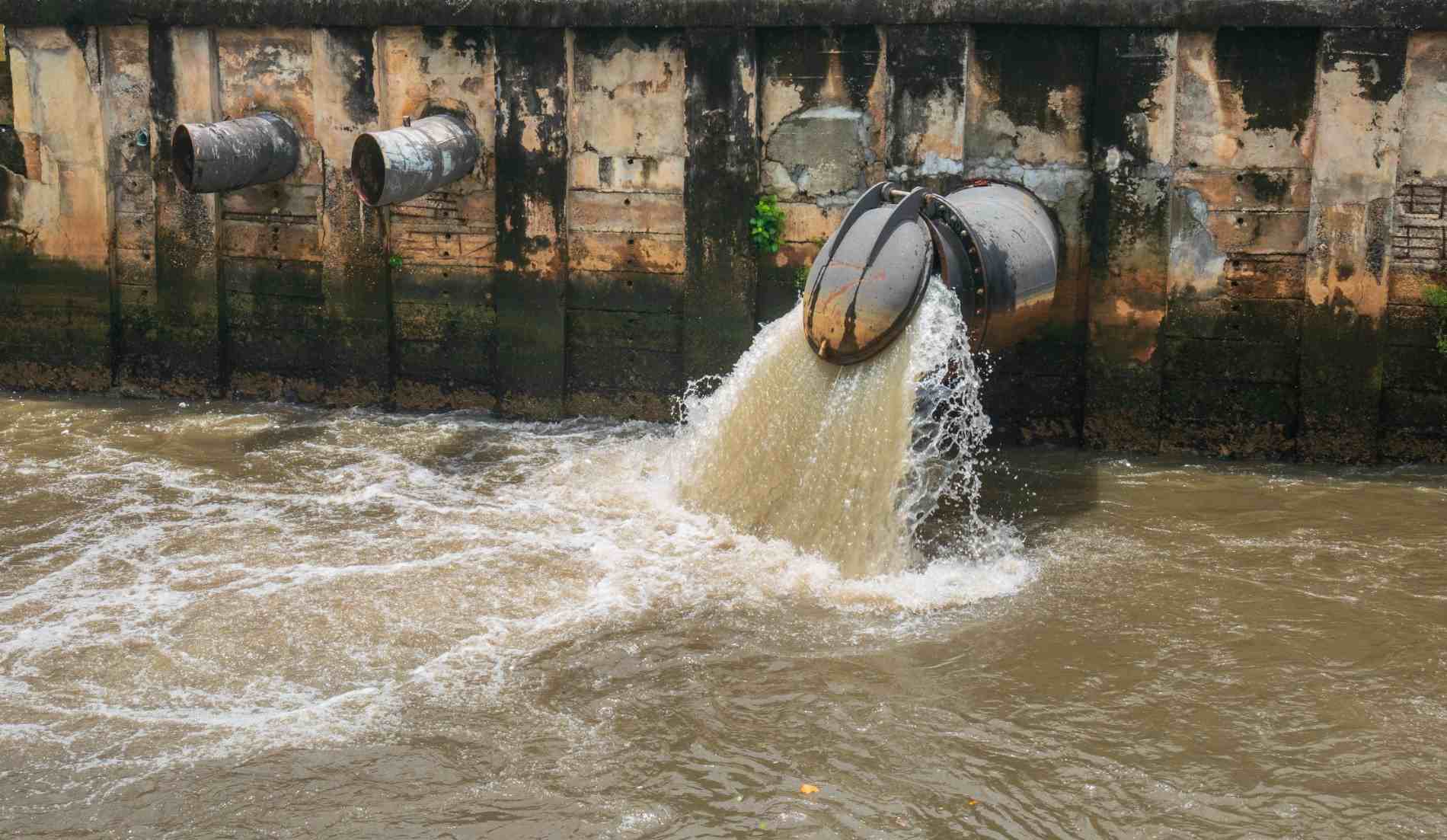
The reason infrastructure asset management matters now is scale. The investment needed to renew aging US water systems runs into the hundreds of billions of dollars over the next two decades, per the EPA's drinking water infrastructure needs survey. No utility can replace everything at once, which makes the sequence the whole game. Risk-based infrastructure asset management is how a utility spends a constrained budget where it removes the most risk, and how it defends that spending to ratepayers and regulators.
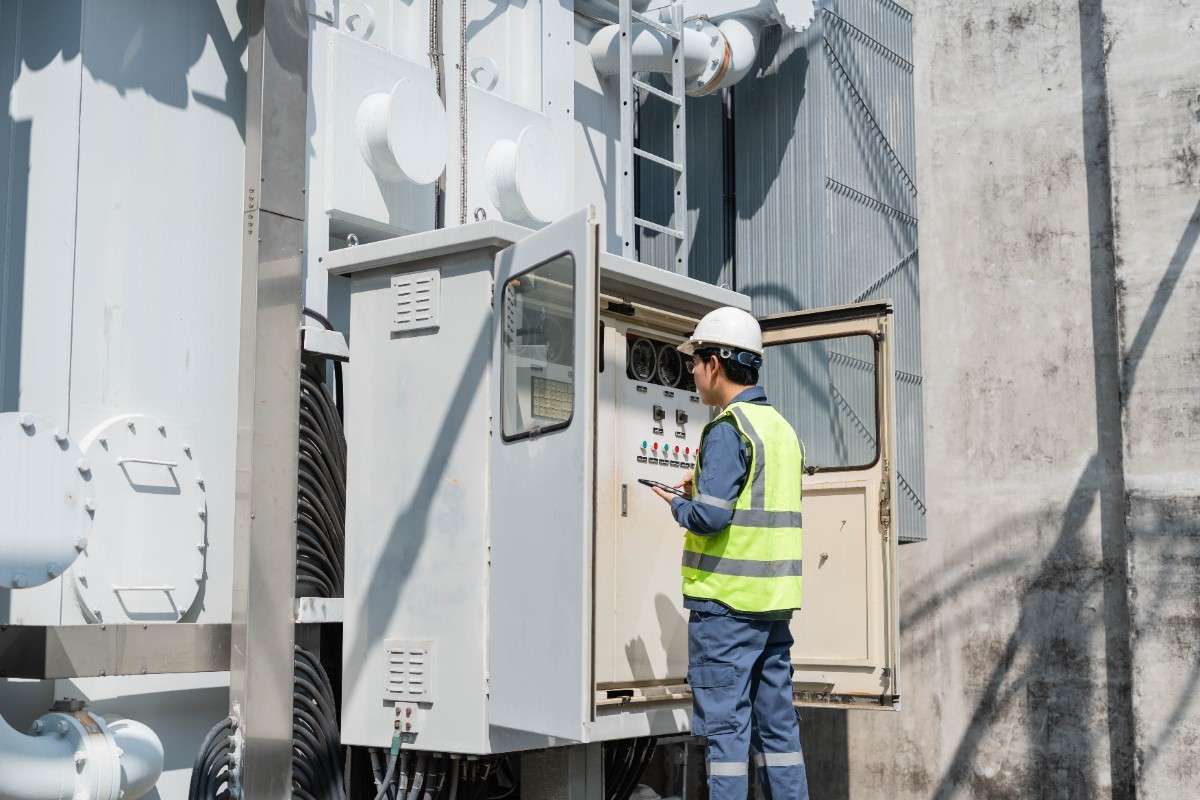
Electric networks face the same math with different assets, transformers, poles, and feeders aging on their own curves, which is why the electric utility asset management approach applies the same condition-and-criticality discipline to grid infrastructure. Across water, wastewater, electric, and gas, the practice is identical: know what you own, know its condition and criticality, and let risk drive the plan. SMART360 delivers this inside per-connection pricing, and every utility that has gone live on it is still on it.
Infrastructure asset management is the practice of managing a utility's long-lived physical assets, such as water mains, sewer lines, treatment equipment, poles, and transformers, across their full lifecycle. It uses each asset's condition and criticality to calculate risk, then drives repair and replacement decisions by risk rather than by age. The goal is a defensible, costed capital plan that spends a limited budget where it removes the most risk to service.
Infrastructure asset management is the discipline: the registry, condition assessment, criticality, risk scoring, and capital planning that guide decisions. An asset management system is the software used to carry out that discipline. A utility can own a system and still practice infrastructure asset management poorly if the registry is incomplete or condition is inferred from age. The system enables the practice; it does not replace the judgment the practice requires.
Risk-based asset management combines two factors for each asset: condition, which estimates how likely it is to fail, and criticality, which estimates the consequence if it does. The product is a risk score. Assets are then ranked by risk, and capital is funded from the top down within the available budget. This replaces age-based replacement, where assets are swapped on a fixed schedule regardless of their actual condition or importance.
Small utilities carry the same long-lived infrastructure as large ones but with far less staff and budget, which makes getting the replacement sequence right more important, not less. A small utility cannot afford to spend a constrained capital budget on the wrong assets or to run to failure on a critical main. A single platform that holds the registry, condition, and risk-based plan lets a small team produce a capital plan they can defend without a dedicated asset department.
Infrastructure asset management is not a document that sits on a shelf. It is a repeatable process that turns what a utility owns into a costed, risk-ranked plan it can defend every budget cycle. The utilities that do it well are not the ones with the most inspectors; they are the ones whose registry, condition data, and capital plan live in one platform that a small team keeps current. For the definition and building blocks beneath the practice, what utility asset management software covers is the place to start. To see how SMART360 turns your asset base into a risk-based capital plan, book a demo.
Bynry Inc.
8 The Green STE.R,
Dover, Kent,
Delaware 19901
+1 732-630-0285
Bynry Inc.
Serene Tower, Pakharbaug
Pune, Maharashtra 411021
+91 93252-51217